
Serendipity Dinghy
Article by Len Warren
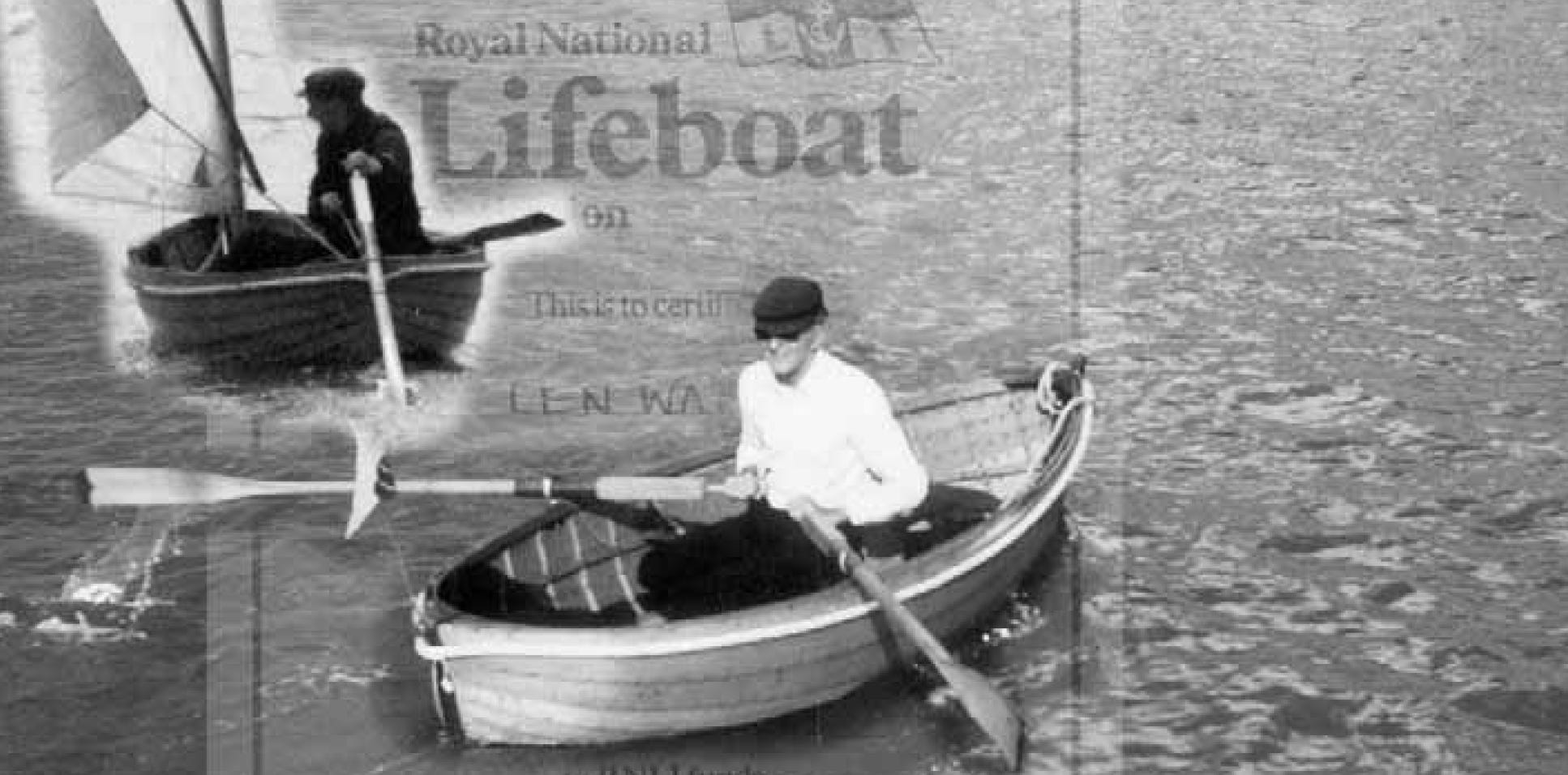
Every year I entered a 10-mile sponsored row for our Royal National Lifeboat Institution charity. In my transom-stern dinghy it was becoming hard going. Then, in 1985, when I retired (at 65) I remembered seeing a lovely little 10-foot roundstern dinghy at the 1952 Festival of Britain, built by Mr. Ewing McGruer Sr. of the world-famous yacht builders of Scotland, and decided to build a smaller version. With no transom to drag in the water it had to be winner.
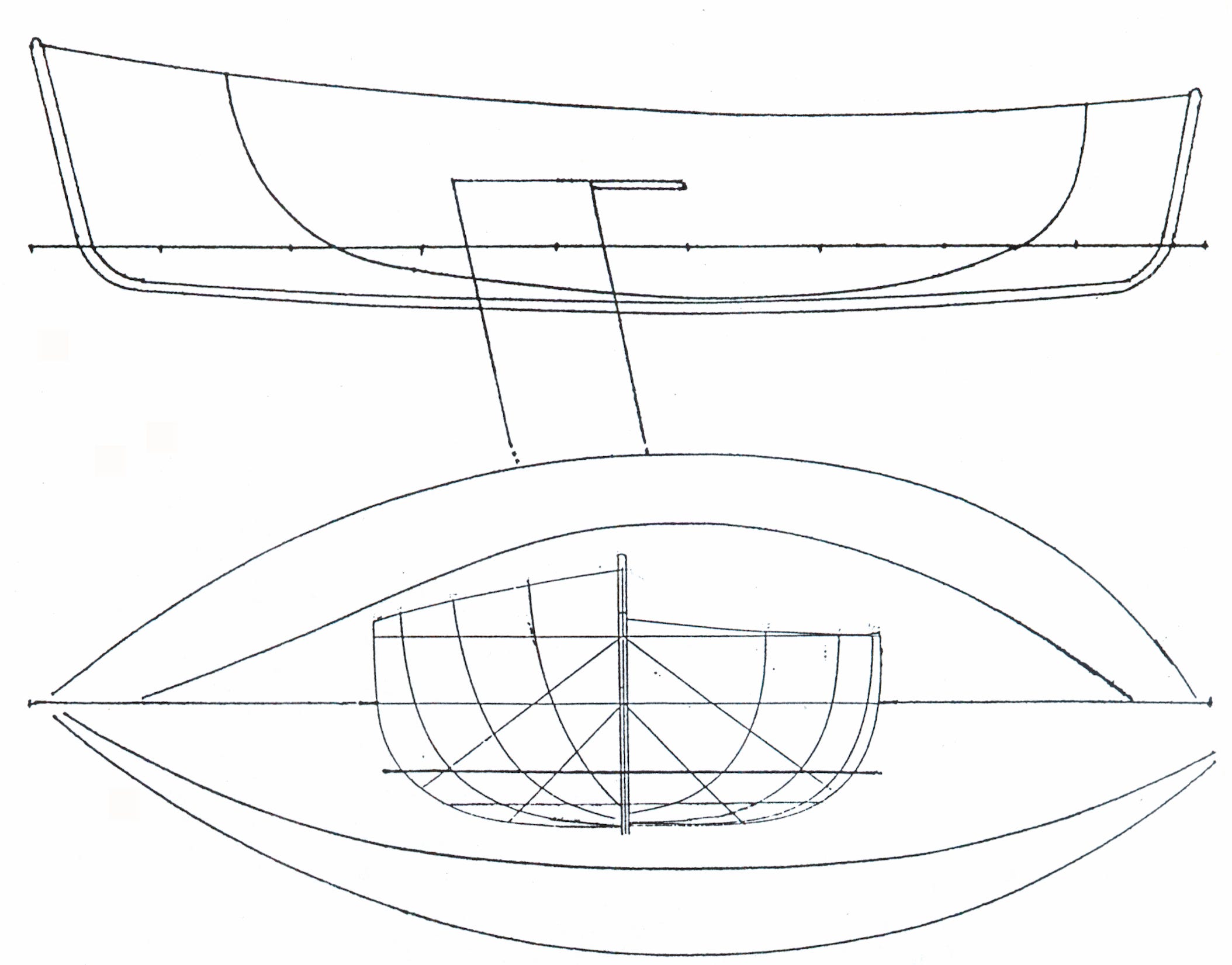
Building with a transom, each strake is fitted to the stem then run past back the transom and the excess sawn off. With the round-stern, each strake has to be fitted to the forward stem and the run back and fitted to the stern stem requiring twice as much effort—no wonder they are so much more expensive.
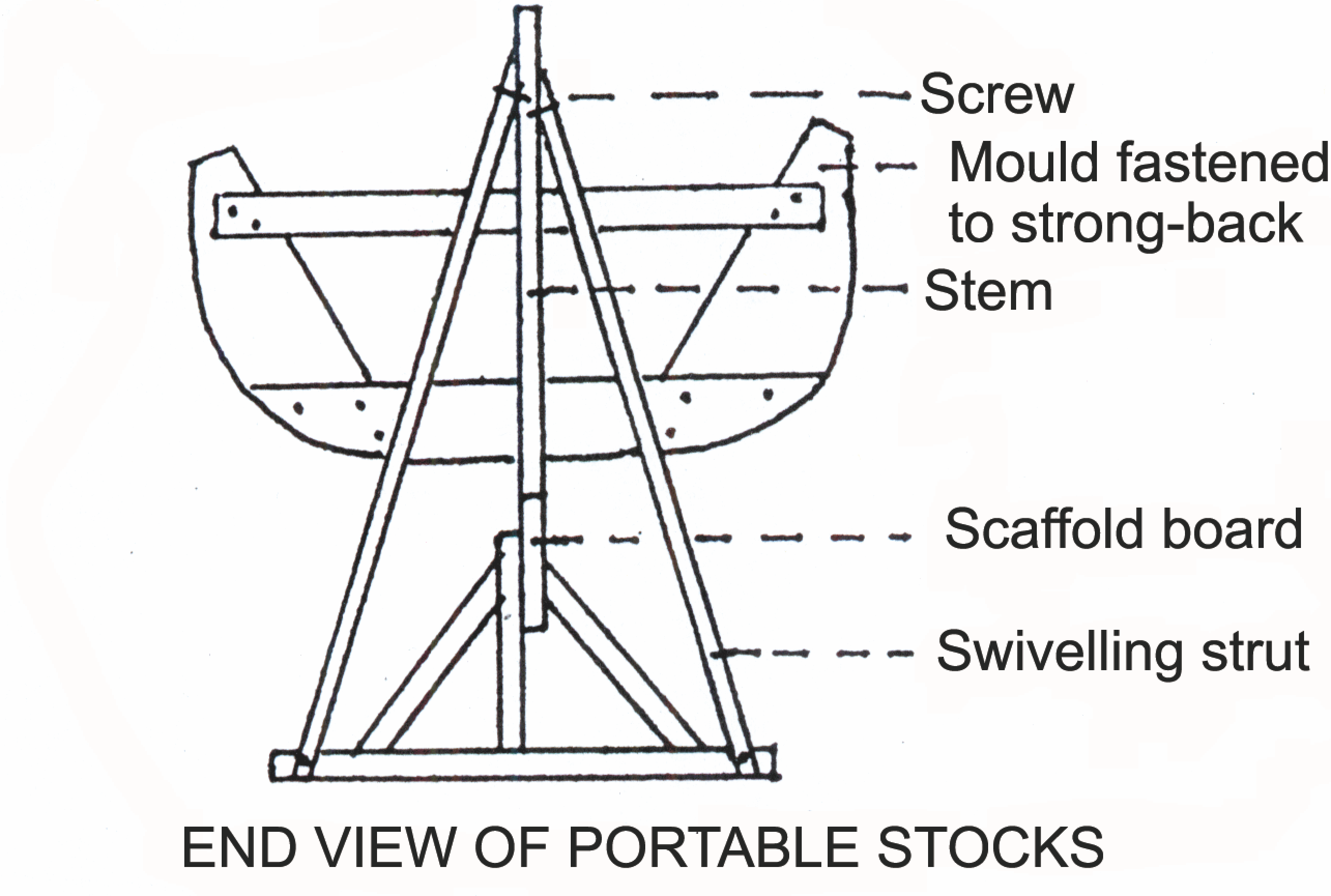
With the help of Howard I. Chappelle, I drew out a set of lines for a 9-foot round-stern clinker-built dinghy. I built it in the backyard in London in a dilapidated shed. The guttering was inside to catch roof leaks, and one side was a plastic sheet—ideal for instant expansion of floor space. The stocks were
free-standing and portable so they could be moved around to gain working room in the 10 x 8 foot shed.
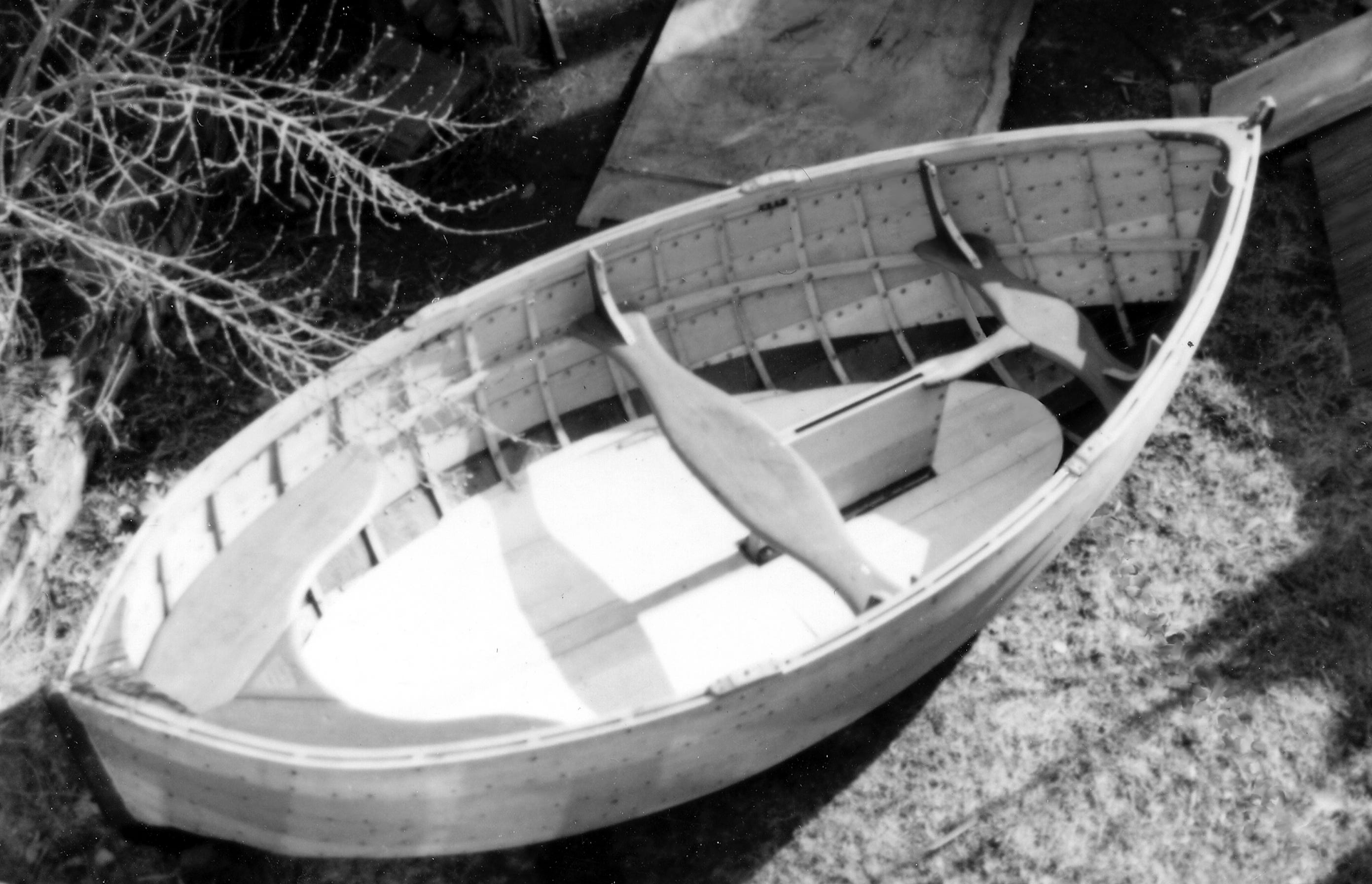
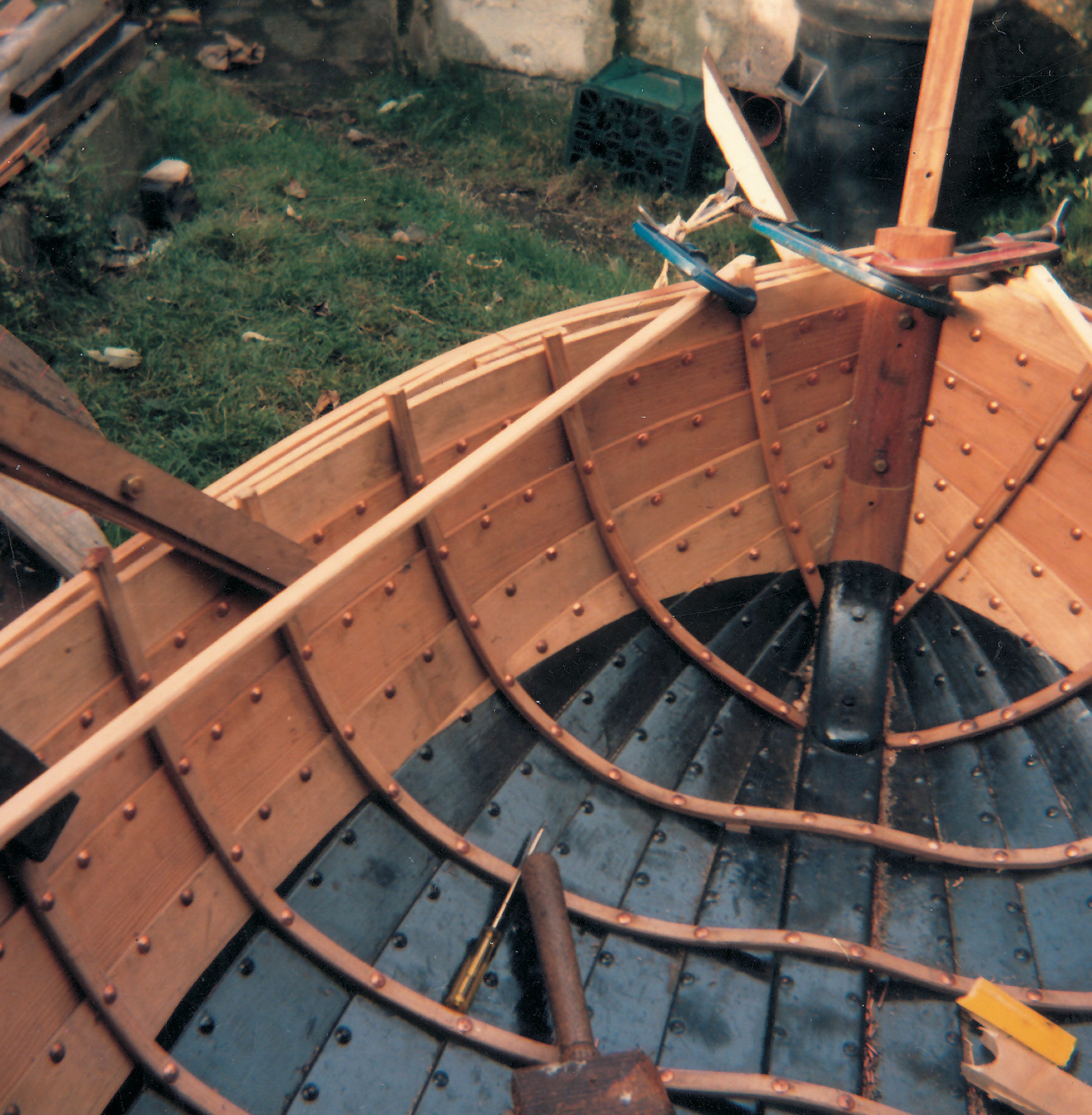
The timber yard cut up 4 baulks of 12 foot by 6 inch by 3 inch kiln-dried silver spruce into 3/8 inch boards and the hull was built up with overlapping strakes. Ribs were steamed and bent into shape and the whole lot was riveted together with 1200 copper rivets.
It looks a fast hull so I decided to rig it with a small sail. A Sunday afternoon siesta was sacrificed to bore 24 5/8 inch holes through 3 inches of oak keel and hog with a hand brace, for a daggerboard slot, and a case assembled for it.
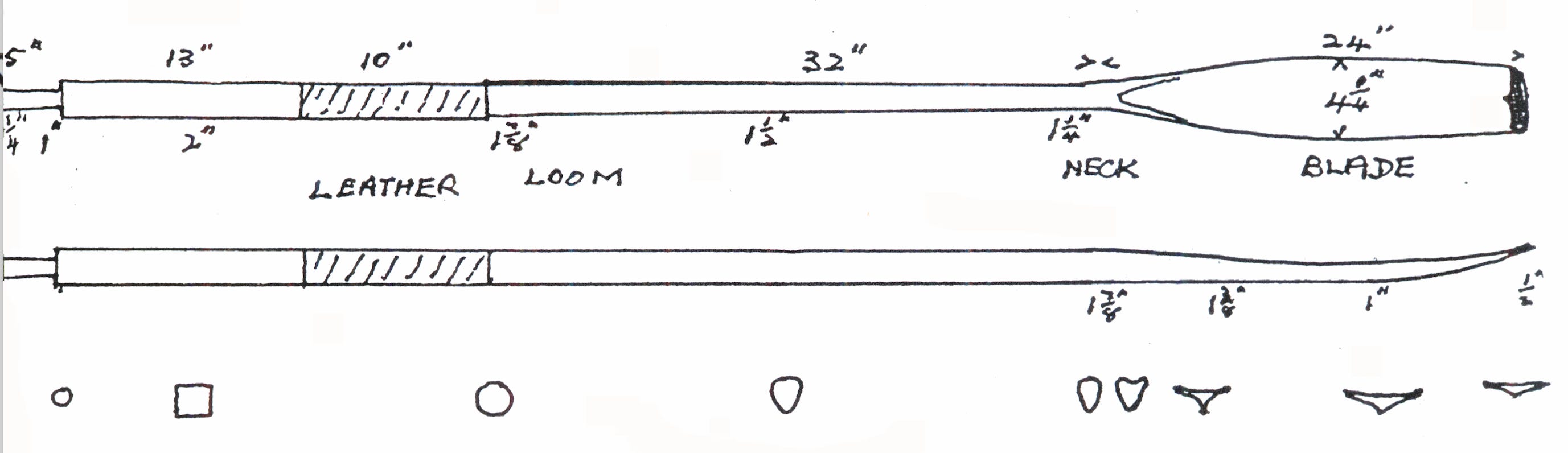
Oars, mast and spar had to be short enough to stow in the boat and leave sitting room on the thwarts. Following the advice of a good book, the plan and profile of a 7-foot spoonbladed oar was drawn out and a pair was fashioned from another baulk of silver spruce.
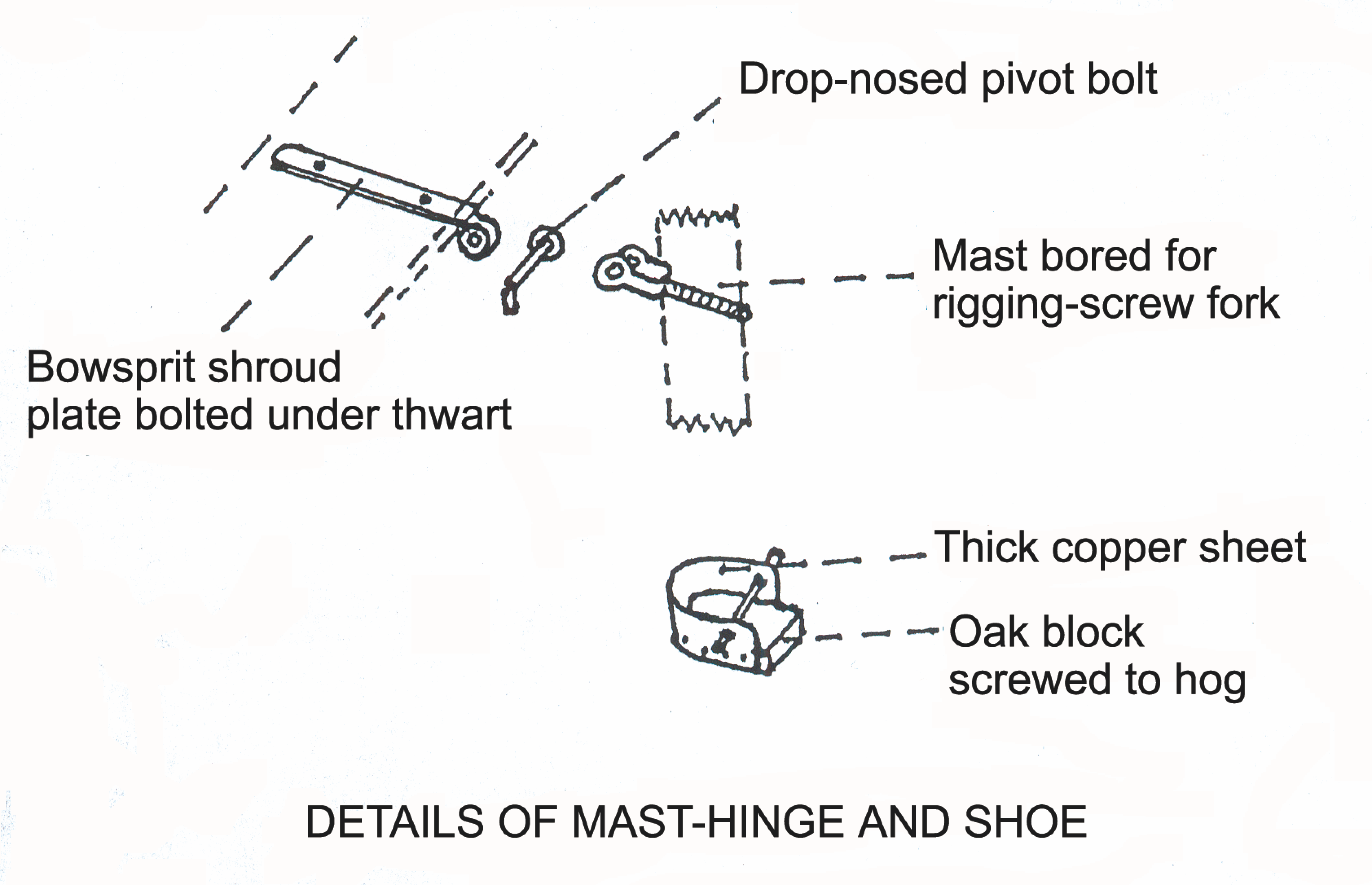
A gift of a gaff was converted to a mast, to be hinged to the forward thwart and the bottom half of a spare jib gave a useful spread of canvas; but needed a 9-foot sprit which had to be jointed, using a long brass tube, Using an oar to steer with, and the halyard as a forestay, and a salvaged locker lid as a daggerboard—we were ready to sail away.
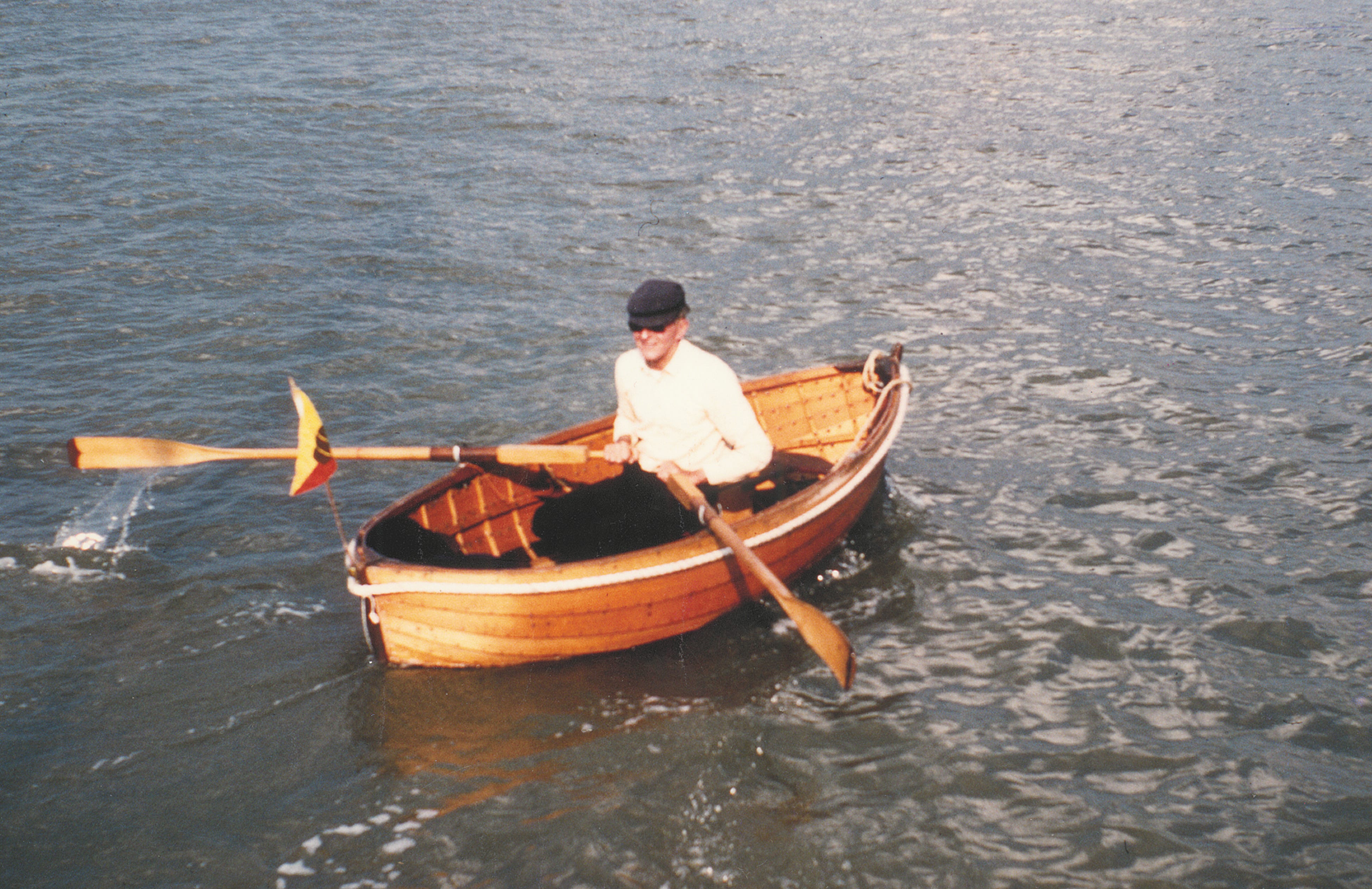
The name was carved on the centre thwart so that all who rowed her would have a good impression of her.
A rope fender was made from 1 1/4 inch polypropylene with a tapered splice to form the bow fender.
The row was much easier now. I never won, but it was lot of fun. •SCA•
First appeared in issue #35
What perseverance! All with hand tools. My 10' dinghy seems like the minimum to me, but I still wouldn't want to row it ten miles. More waterline, please!
I had a piece of rope (synthetic--nylon?) about like yours, which I was tempted to use as a sheer fender as you have done, but didn't follow through because it would have added quite a bit of weight, and I wanted to keep the dinghy as light as possible for handling ease on shore.